
The Allure of Gambling: Understanding the Thrill
The excitement generated by casino games is often compelling, drawing players into a world where chance and skill collide. This thrill stems from the unpredictability of outcomes, creating a rollercoaster of emotions for participants. The anticipation of winning can trigger a rush of adrenaline, similar to the excitement felt during extreme sports or high-stakes situations, especially when they engage in online casino real money nz that offer various thrilling experiences. This dopamine release in the brain not only enhances enjoyment but also reinforces the addictive nature of gambling, as players seek out that euphoric feeling again and again.
Moreover, the sensory environment of casinos amplifies this psychological response. The sounds of clinking coins, the bright lights, and the vibrant color schemes work in harmony to create an atmosphere that is both immersive and stimulating. These sensory experiences can heighten emotional reactions, making wins feel more significant and losses less impactful. This carefully crafted environment encourages players to stay longer, often resulting in increased spending as they chase the highs of their initial wins.
Another critical aspect of this allure is the concept of “near misses.” In many casino games, players often come close to winning without actually doing so. These near misses can be psychologically significant, as they foster a sense of hope and encourage players to continue gambling. Recent studies suggest that near misses can lead to increased betting amounts in subsequent rounds, as individuals convince themselves that they are on the verge of a big win. Such mechanics keep players engaged and often lead them to spend more time—and money—at the tables.
The Role of Cognitive Biases in Gambling
Cognitive biases play a significant role in how individuals engage with casino games, influencing their perceptions of probability and luck. One prevalent bias is the “gambler’s fallacy,” where players believe that past outcomes will affect future results. For instance, a player might think that a particular slot machine is “due” for a payout after a series of losses. This misconception can lead to irrational betting patterns and increased financial risks as gamblers often ignore the underlying odds that remain constant regardless of previous spins.
In addition to the gambler’s fallacy, the “illusion of control” bias leads players to believe they can influence random events, such as rolling dice or spinning a roulette wheel. This mindset can be particularly pronounced in games where skill appears to be a factor, such as poker or blackjack. Players may overestimate their abilities and underestimate the element of chance, leading to overconfidence. When combined with the thrill of potential rewards, this can result in excessive betting and significant losses.
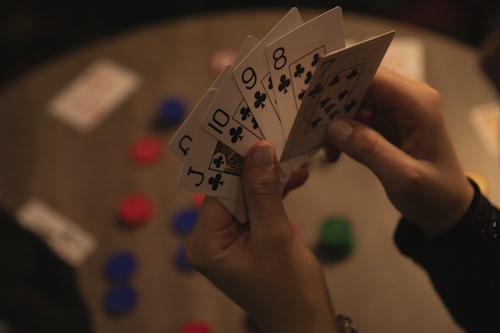
Understanding these cognitive biases is essential for both players and casino operators. Equipped with knowledge about these biases, players can develop more informed strategies and make more rational decisions about their gambling habits. Operators can also utilize this understanding to create game designs that not only attract players but do so responsibly, encouraging fair play and minimizing the risk of addiction.
The Impact of Social Dynamics on Gambling Behavior
Gambling is not solely an individual activity; rather, it is deeply influenced by social dynamics. Players often find themselves drawn to casinos because of the communal atmosphere that these spaces provide. The presence of fellow gamblers can enhance the excitement of games, making wins feel more rewarding and losses more bearable. The social reinforcement, where players cheer each other on or share in the thrill of success, can create a bandwagon effect, encouraging others to participate in the excitement.
Moreover, friends and family can significantly impact gambling behavior, either positively or negatively. Peer pressure may prompt individuals to bet more than they initially planned, contributing to a cycle of increased gambling. Social norms within certain groups can also shape the acceptance of gambling and the values associated with it. For example, in some cultures, gambling is celebrated as an exciting pastime, while in others, it may be viewed with skepticism. Understanding these social influences is crucial for recognizing how they can affect individual choices and gaming habits.
Social media also plays a role in shaping the gambling landscape. With the advent of online casinos, players can easily share their experiences via platforms like Facebook and Instagram. Positive experiences shared online can encourage more people to try their hand at casino games, further blurring the line between social interaction and gambling behavior. This trend highlights the importance of understanding social dynamics in gambling settings, as both in-person relationships and online interactions significantly influence how individuals engage with games.
The Psychology of Losses: Risk and Reward
Loss aversion is a powerful psychological phenomenon that significantly affects gambling behavior. Players tend to feel the pain of losses twice as intensely as the pleasure of equivalent wins. This can lead to a dangerous cycle in gambling, where individuals chase their losses in an attempt to regain what they have lost. For example, a player who loses a significant amount may feel compelled to continue playing, believing that a win is just around the corner. This mindset can result in escalating bets and deeper financial trouble.
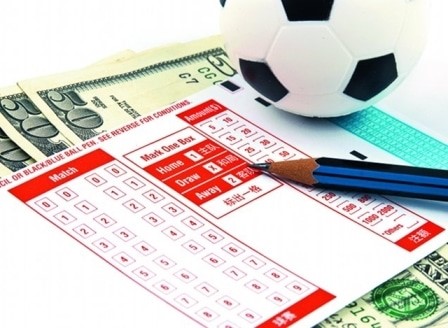
The concept of risk and reward also intertwines with emotions such as fear and excitement. For many, the risk associated with gambling is part of the thrill, making each bet a gamble not just of money but also of emotional investment. The potential for a substantial reward can overshadow the realities of risk, enticing players to take chances they might ordinarily avoid in more stable environments. This interplay of risk and emotion is a driving force in gambling psychology, often leading to impulsive decisions.
To mitigate the negative impact of loss aversion, self-awareness is key. Players can benefit from setting limits and recognizing the signs of chasing losses. Approaching gambling with a more analytical mindset rather than an emotional one can help in making more rational decisions. By understanding one’s psychological responses to wins and losses, players can develop healthier gambling habits that prioritize enjoyment over the risk of financial strain.
Integrating Psychology with Responsible Gaming
As awareness of gambling’s psychological aspects grows, so does the emphasis on responsible gaming practices. Understanding the mental triggers that lead to excessive gambling can inform strategies to promote healthier behaviors. Casino operators are increasingly incorporating features that help players self-regulate their gaming activities, such as setting time limits and budgetary constraints. These innovations aim to balance the entertainment aspect of gambling with the need for personal accountability.
Education plays a vital role in responsible gaming. By providing players with information about the psychological elements that influence their decisions, casinos can empower individuals to make more informed choices. Workshops and materials focused on recognizing cognitive biases and emotional triggers can help players develop a more conscious approach to gambling. This kind of education fosters a culture of awareness and responsibility, allowing players to engage in games without falling victim to their psychological pitfalls.
Ultimately, understanding the psychology behind casino games can lead to a more balanced approach to gambling. Both players and operators have a vested interest in fostering an environment that prioritizes enjoyment while minimizing harmful behaviors. By integrating psychological principles into the framework of gambling, the industry can work towards a healthier future that promotes safe and enjoyable gaming experiences for everyone.